Veuve Clicquot: A Success Story That Inspired the World
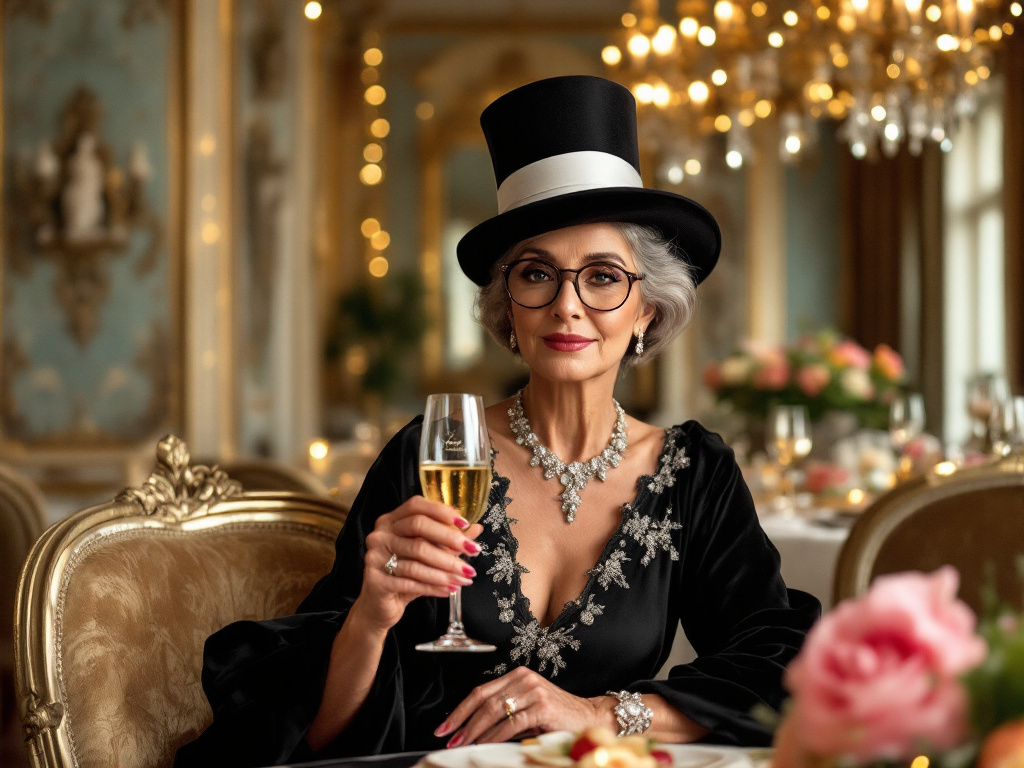
When it comes to champagne, the name of the Widow Clicquot (Veuve Clicquot) is invariably associated with refinement, quality, and a history full of perseverance and innovation. Barbe-Nicole Ponsardin, better known as the Widow Clicquot, became one of the first female entrepreneurs in history and turned a small family business into a global brand that has remained a symbol of elegance for more than two centuries.
The Beginning of the Journey
Barbe-Nicole was born in 1777 into a wealthy family in Reims, France. In 1798, she married François Clicquot, the son of a winery owner. The young couple threw themselves into making and selling champagne, but their happiness did not last long. In 1805, François suddenly died, leaving Barbe-Nicole, at the age of 27, a widow with a young daughter to care for.
A Bold Decision: Taking Over the Business
At that time, women rarely went into business, especially in such a competitive industry as champagne production. But Barbe-Nicole was not one to give up. She made the bold decision to take over the management of the winery. Knowing that her knowledge of business was limited, she formed a partnership with the experienced winemaker Alexandre Fournier to master the intricacies of the craft.
Innovation and Success
Barbe-Nicole introduced significant innovations to champagne production. One of her most outstanding achievements was the invention of the riddling method (remuage), which made it possible to remove sediment from bottles while keeping the drink clear. This method is still used in champagne production today.
Her efforts paid off when, in 1814, she managed to export a shipment of champagne to Russia despite the European wars and political complications. The Russian nobility was charmed by her product, and the Veuve Clicquot brand began to gain popularity.
Interesting Facts About the Widow Clicquot
1. The first businesswoman in champagne: Barbe-Nicole was one of the first women to lead a wine-making business.
2. The Queen of champagne: Her champagne so delighted the Russian Emperor Alexander I that he made Veuve Clicquot a favorite of the court.
3. The yellow label: The famous yellow color on the bottles appeared in 1877 and became a symbol of the brand.
4. The brand motto: Her principle of "One quality only — the finest" (Seule qualité, la meilleure) became the foundation of the Veuve Clicquot philosophy.
The Legacy of the Widow Clicquot
Barbe-Nicole Clicquot proved that perseverance and innovation can overcome any obstacle. Her story inspires not only entrepreneurs but also women around the world who strive for success in a man's world. Today, Veuve Clicquot champagne is a symbol of refinement, and the name of Barbe-Nicole lives on in memory as an example of strength of spirit and craftsmanship.
The story of the Widow Clicquot is more than a tale about champagne. It is a story of how passion and persistence can change the world.

Comments