A Journey into the Heart of the French Language: History, Borrowings, and Fascinating Facts
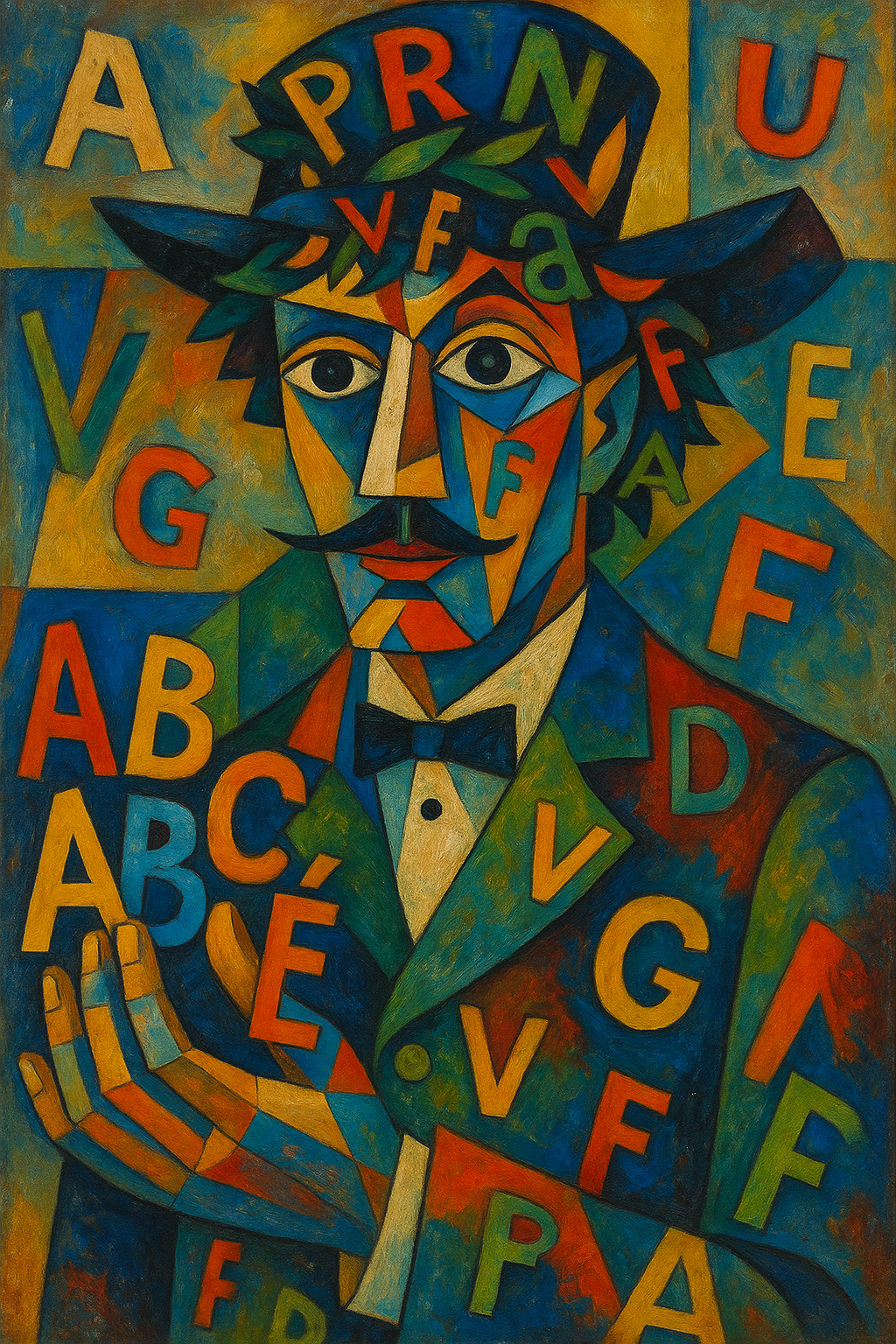
Hi, future francophones! Learning French — is not just memorizing grammar rules and new words. It is an immersion into a rich culture and a fascinating history. Understanding where the language came from, how it developed, and why it contains so many words from other languages can make your learning even more meaningful and interesting.
Today we will set off on a journey through time and discover the secrets of the French language!
Where It All Began: Latin and the Gauls
Like many European languages (Spanish, Italian, Portuguese, Romanian), French — is a descendant of Latin. But not the classical Latin of Cicero studied in university philology departments; rather, Vulgar Latin — the language of the Roman soldiers, merchants, and colonists who conquered Gaul (the territory of modern France) in the 1st century BC.
The local population — the Gauls — spoke Celtic languages. Although the Gaulish language almost disappeared over time, it left its mark on French. It is believed that words related to nature and agriculture came into French precisely from Gaulish, for example:
chêne (oak)
bouleau (birch)
char (cart)
chemin (road, path)
Fun fact: the famous French counting system based on "twenties" (quatre-vingts — eighty, literally "four twenties") — is possibly also a legacy of the Celtic languages!
The Frankish Invasion: Germanic Influence
In the 5th century AD, the Roman Empire weakened, and Germanic tribes invaded the territory of Gaul, the most influential of which — were the Franks. It was they who gave the country its name — France. The Franks could not impose their language, but their influence on the emerging French was enormous. Many words came from the Germanic languages, related to:
- War and governance: guerre (war), heaume (helmet), maréchal (marshal), riche (rich), choisir (to choose)
- Everyday life: jardin (garden), danse (dance), fauteuil (armchair)
- Colors: blanc (white), bleu (blue), gris (gray)
It was largely the Frankish influence that gave the French language its special sound, distinguishing it from the other Romance languages.
The Birth of a Standard: From Dialects to a Unified Language
For a long time, many regional dialects existed in France. Conventionally, they were divided into two large groups: langues d'oïl (the "oïl" languages - "yes") in the north and langues d'oc (the "oc" languages - "yes") in the south.
A key moment in the formation of a unified French language was the Ordinance of Villers-Cotterêts (1539). King Francis I ordered that official documents use not Latin, but the "French mother tongue" (langage maternel francoys). The dialect of Paris and the Île-de-France region (one of the langues d'oïl) was taken as the basis, and it gradually became the norm for the whole country.
The Renaissance and Classicism: Italian and "Learned" Borrowings
The Renaissance brought with it a fashion for all things Italian. Art, music, architecture, banking — all of this enriched the French language with words from Italian:
opéra (opera)
sonnet (sonnet)
balcon (balcony)
banque (bank)
soldat (soldier - from soldo, a coin, payment)
In the 17th-18th centuries, in the era of Classicism and the Enlightenment, the French language was actively replenished with "learned" words borrowed directly from classical Latin and Greek to name new concepts in science, philosophy, and art:
philosophie (philosophy)
théâtre (theater)
démocratie (democracy)
médecine (medicine)
astronomie (astronomy)
Modern Borrowings: English and Other Languages of the World
Language — is a living organism, and it continues to change. In recent decades, the main source of borrowings for French (as for many other languages) has been English:
le week-end (weekend)
le shopping (shopping)
le marketing (marketing)
le manager (manager)
cool (great)
le smartphone (smartphone)
This phenomenon even received the name "Franglais". The French, especially the Académie Française (the French Academy), founded back in 1635 by Cardinal Richelieu to protect and standardize the language, are trying to fight the excessive influence of English, proposing French equivalents (for example, courriel (email) instead of e-mail, ordinateur (computer) instead of computer). But many Anglicisms have firmly taken root in everyday use.
Of course, French also borrowed words from other languages:
Arabic: algèbre (algebra), café (coffee), sucre (sugar), orange (orange), magasin (shop)
Spanish: moustique (mosquito), chocolat (chocolate), vanille (vanilla)
Dutch: bière (beer), boulevard (boulevard - from bolwerk, a bastion)
Why So Many Borrowings?
- Historical events: conquests, wars, migrations.
- Cultural exchange: trade, travel, fashion, art.
- Prestige: In different eras, the source languages (Latin, Italian, English) were considered prestigious.
- Necessity: The emergence of new technologies and concepts requires new words.
A few more interesting facts:
1) A global language: French — is an official language in many international organizations (the UN, the EU, NATO, the IOC, FIFA) and is a native or second language for hundreds of millions of people on 5 continents.
2) Tu vs Vous: The distinction between the informal "you" (tu) and the formal/plural "you" (vous) — is an important part of French culture and etiquette.
3) A wealth of synonyms: French is famous for its lexical richness and abundance of synonyms, which make it possible to express the subtlest shades of meaning.
Conclusion
As you can see, the French language — is not just a set of rules, but a living history reflecting contacts, conflicts, and cultural exchanges over the centuries. Every time you learn a new word, think about where it came from. Perhaps there is a whole story behind it!
I hope this little journey into the past of the French language will inspire you to keep studying. Understanding its roots and development will help you better feel its nuances and beauty.
Bon courage in your study of French! Good luck!

Comments